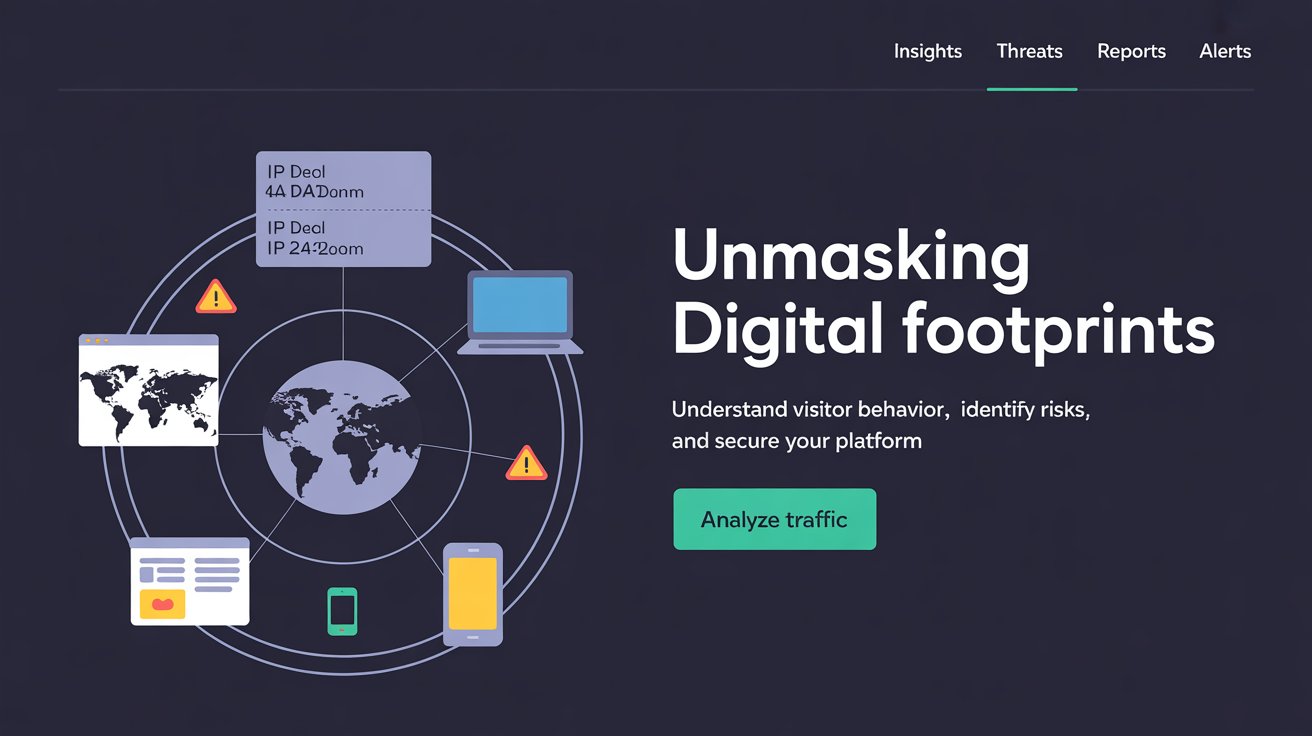

Every time someone visits your website, they leave a little digital footprint. One of the most overlooked clues? Their IP address. It’s not magic—it won’t reveal a visitor’s name or email—but it can tell you a lot about where they’re coming from, what device they’re using, and sometimes, whether they’re up to something shady. At fraudo.io, we’ve seen firsthand how combining IP lookup and email lookup can stop fraudsters in their tracks. Here’s the real scoop on what an IP address can—and can’t—reveal, and how you can use it to protect your website.
What Is an IP Address Anyway?
Think of an IP address as your device’s home address in the digital world. It tells websites where to send information. Every device on the internet has one.
There are two main types:
- IPv4: The format you probably recognize, like 192.168.1.1.
- IPv6: Longer, more complex, and designed to handle the growing number of devices online.
Both give useful insights about visitors—but don’t expect them to reveal a person’s identity.
What You Can Actually Learn From an IP Address
An IP address is more than just numbers. Here’s what it can reveal:
1. Where They’re Connecting From
Most IP lookup tools can tell you the visitor’s country and city, sometimes even the ZIP code.
For example, if a user usually logs in from New York and suddenly appears in Brazil, that’s a red flag. It doesn’t guarantee fraud, but it’s worth a closer look.
2. Their Internet Service Provider (ISP)
You can see which ISP they’re using. Some networks are riskier than others. Public Wi-Fi or IPs tied to data centers often indicate automated traffic or bots.
3. Device and Connection Type
Some tools can detect if someone is on mobile, desktop, or a VPN. Imagine this as a user logs in from a desktop yesterday but suddenly uses a VPN on a mobile device today. That’s suspicious and worth investigating.
4. Proxy or VPN Usage
Fraudsters often hide behind proxies or VPNs. Detecting these can trigger verification steps before they make any transaction.
5. IP Reputation
Some IPs have a spam, scams, or past fraud history. Checking an IP’s reputation helps you block risky traffic before it causes problems.
6. Pattern Over Time
Monitoring IPs pattern over time can reveal unusual behaviour
- Multiple accounts from the same IP
- Unusual logins from different regions
- Bots scraping your site
Spotting these trends early can save you later.
The Role of IP Intelligence in Preventing Online Fraud
What an IP Address Can’t Tell You
IP addresses are powerful, but they aren’t a magic wand.
- No personal details: They don’t give you names, emails, or phone numbers.
- Location is approximate: You’ll see regions, not exact location.
- Can be hidden: VPNs and proxies mask the real IP.
- No intent: You can’t know the intent of someone visiting your site just from their IP.
So while IPs are a useful first check, but they don’t tell you the full story.
How IP Addresses Lookup Help Prevent Fraud
Used smartly, IP address lookup is a key tool in your fraud-fighting toolkit.
Spot Suspicious Logins
Multiple logins from different countries in a short period could mean someone is trying to take over the account.
Block Known Risky IPs
Some IPs have a fraud reputation. Blocking them saves time and money.
Detect Bots
Bots often reuse IPs from data centers. Spotting this protects your content and prevents fake sign-ups.
Verify VPN or Proxy Users
VPNs and proxies can hide fraudsters, so extra verification keeps your site safe without bothering real users.
Generate Risk Scores
Use IP, email, and behavior data to spot high-risk visitors.
Why Alone IP Lookup Isn’t Enough
Fraudsters are clever. Some use residential IPs that look normal. Others hop between VPNs constantly. That’s why IP lookup alone won’t catch everything.
Adding email intelligence completes the picture. A disposable email tied to a suspicious IP? That’s a red flag you can act on before any damage happens.
How Email Verification for Fraud Prevention Saves Businesses from Fake Accounts and Chargebacks
How Fraudo Makes Fraud Detection Easy
Here’s what we do at fraudo.io:
- IP Lookup: Instantly detect location, ISP, device type, and risk score.
- Email Lookup: Verify emails, detect disposable addresses, and flag suspicious accounts.
- Fraud Scoring: Combine IP, email, and behavior for automatic risk assessment.
- Easy Integration: Plug it into your website or app and catch fraud in real time.
Using these tools together stops fraud, protects accounts, and keeps your users—and your business—safe.
A Real-World Example
An online store gets a new signup. A quick check shows:
- The IP is from a country known for fraud.
- The connection is through a VPN.
- The email is disposable and flagged in a fraud database.
Fraudo.io flags this account as high-risk, letting the store intervene before a purchase or sensitive action. Without these checks, fraud could slip through unnoticed.
Conclusion
An IP address can tell you quite a lot—where a visitor is, what device they’re using, and whether the IP has a history of risky activity. But it won’t reveal names, emails, or intent.
The smartest way to prevent fraud combines IP lookup, email verification, and behavioral analytics. That’s what fraudo.io delivers. This tool help you spot risky visitors, prevent fraud, and keep your website and your users safe.
Protect your website today. Use Fraudo.io’s IP and email lookup tools to spot high-risk visitors and secure your online business.